
11/08/2026
BAVS 2026: Reflections
The Victorian Hand team reflect upon an action-packed 3 day conference in Liverpool at BAVS (British Association for Victorian Studies).
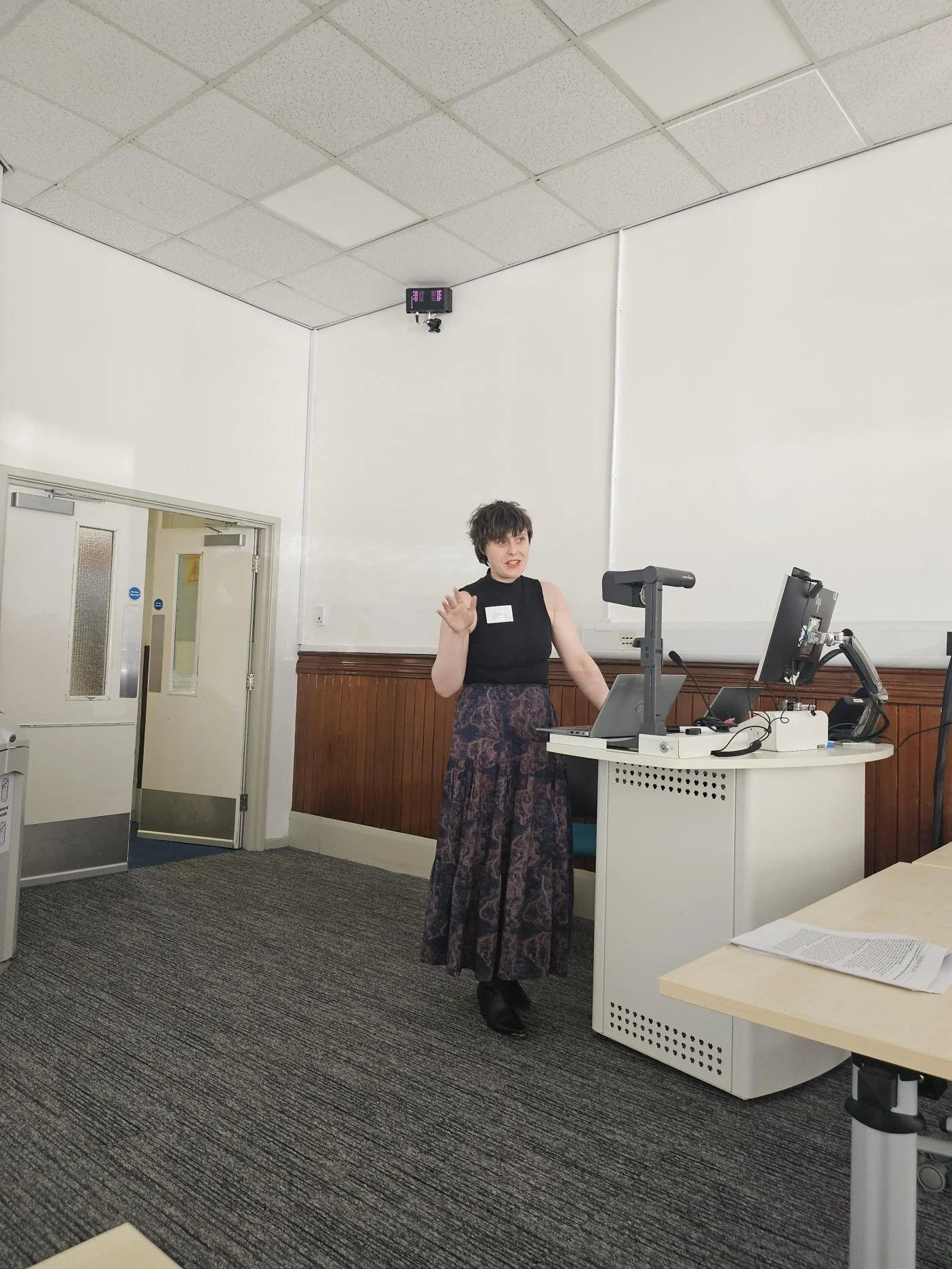
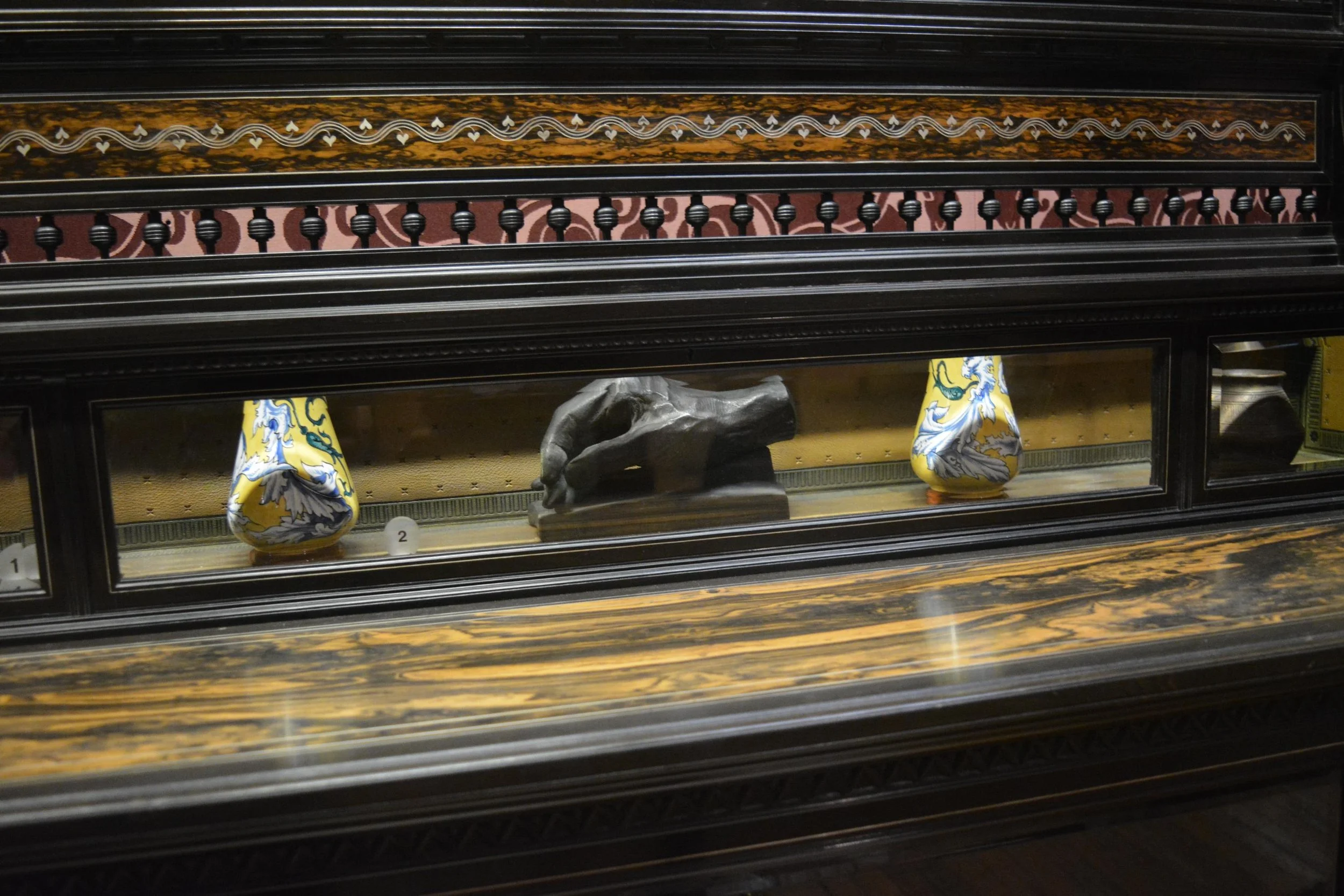
This July, we had the great pleasure to present a special subject panel at BAVS 2026, showcasing the Victorian Hand. We presented as a three-hander, with Mike and Joanne sharing the Hauntological underpinnings of our project, and our five research strands. Zeroing in on our research and engagement methods, Helen explored how we apply these haunting themes to case studies from the archive. We shared new enquiries into Queen Victoria’s marble hand collections, and working class memories of trauma, solidarity and defiance embodied through workers’ hands. We also shared some scenes and stories from our engagement programme, The Work of Mending, showing how historical research comes together with co-production in practice.
We were delighted with the response from attendees during the Q&A portion of the panel. Some of these interesting questions included:
How did Victorians reconcile the belief that hands could reveal emotion and character with the practice of teaching (or selling) ways to control your hands?
How do we practice discerning research methods when working with such a large volume of sources?
Our panel attendees gave us a lot to think about – and perhaps explore in future blogs…
As an association, BAVS is tailored to the broad range of Victorianists. One of the pleasures of coming together is hearing the insights of our colleagues who have different disciplines and specialisms from ours. BAVS offered us a great opportunity to connect with this rich research culture. Seeing this through the lens of Victorian hands stretched us to think creatively about our project from a number of different perspectives.
Here are some of our personal highlights from the rest of the Conference.
Helen: This year’s BAVS did something different, in the form of creative roundtables – an excellent addition. I thoroughly enjoyed ‘Performative Creativity’, in which Louise Creechan and John Maguire inspired us using stand-up comedy and theatre to explore alternative approaches for bringing Victorian studies to public audiences. As a discipline, I think we have a lot to gain from these interdisciplinary approaches, though I must confess some stakes in the creative-historical game, as a poet who takes lots of inspiration from our research! In terms of individual papers, I greatly enjoyed Kristof Smeyers’s paper, ‘Performing Magnetism’ which led to a spirited chat about the mesmeric healing practice of ‘making the passes’ and the liminality of hands which move close to another body without touching. Eva Chen’s paper on the typewriter and the New Woman expanded my perception of handwork and embodiment, prompting me to think about the hand/ machine connection in her descriptions of women typists as embodying a kind of exposed nerve. Finally, as a fan of optics, projections and photographic technologies, I was transported by Joe Kember and John Plunkett’s keynote, ‘Picturegoing Pleasures’ – we’ll definitely be perusing the amazing database of lantern slides they shared, in search of performing hands!
Joanne: The themes of making followed me in the panels I attended, helping me explore the many ways in which hands are central to the production of identity in the process of crafting. Asha Hornsby’s paper on May Day celebrations onboard British Northern Whaling ships focused on the May Garland and its meaning for sailors (who are always a favourite of mine!). Also close to my prior interests was Henriette Marsden’s account of Mary Hamlyn William’s crafting, along with her fellow female political elites, of a patchwork sofa, a needle-worked reassertion of landowning supremacy. And the sensory aspects of acts of making charmed me in Kirsten Whittlee’s talk on toy theatres and their sound world, a nice reminder that crafting is often multi-sensory. Here, toy theatres were made with their sonic atmosphere in mind, and, as with the other talks on making, this was a very gendered business. Kirsten showed us her own recreated toy theatre, a nice reminder for us in the Victorian Hands project of the value of making to understand past forms of material culture. Finally, the creative sessions were an introduction to BAVS that I very much hope continues. Having spent two years at the University of the Arts, London, I am a convert to using creative practice to explore the past in more imaginative ways. Hand-making and thinking are certainly connected!
Mike: The panels I attended reflect my diverse range of interests in Victorian studies. The panel on ‘War Wounds and Gendered Medicine’ really brought home the importance of the hand as an agent of reparative care, particularly in the practice of nursing. In the domestic context of Heather Wardlaw’s paper this was counterposed to the masculine authority of the medical practitioner, but it was also evident from Fabia Bueschler’s account of nursing in the Crimean war, men and women alike could be healed and edified by and through touch. Andrew Mangham’s paper in the same session made me think about how, at the moment of the accident, hand could be simultaneously agents of cure and repair, but also of physiological inquiry. Hands featured subtextually in a number of other sessions I attended on radical print culture (the hand not only of the author but also of the typesetter) as well as imperial masculinities, including the revelation in Kate Simpson’s paper that H. Rider Haggard’s father had strenuously objected to the idea of him giving up his colonial career as a youth and coming back to live ‘on his hands’. However, perhaps the clearest example of the hand’s power to both connect and divide was in Holly Furneaux’s paper on Queen Victoria and adoption. In Dinah Craik’s The Half-Caste (1851), the dual heritage female protagonist, an Indian princess named Zillah, remembers her dead Indian mother primarily through her hands, which were ‘covered with rings’ prompting her to recall that her English father ‘stole’ it, a palpable metaphor for the extractive work of empire.
Many thanks to the BAVS board and conference organisers from Liverpool John Moores for including the Victorian Hand panel in the programme!